Are you excited about buying a home in Gainesville but unsure what “closing costs” really mean for your budget? You are not alone. Many buyers focus on the down payment and are surprised by the additional fees due at the closing table. In this guide, you will learn what closing costs include, what is typical in Hall County, how to read your disclosures, and practical ways to reduce or cover these expenses. Let’s dive in.
Closing costs, simply explained
Closing costs are the fees and prepaids you pay at settlement to finalize your purchase and mortgage. They include lender charges, third-party services like the appraisal and title work, government recording fees, and prepaids for items like property taxes and homeowners insurance.
As a rule of thumb, buyers in Gainesville typically see closing costs of about 2 to 5 percent of the purchase price. For a $300,000 home, plan for roughly $6,000 to $15,000 before your down payment. For a clear primer on what falls into closing costs, review the Consumer Financial Protection Bureau’s overview of what closing costs include.
What Gainesville buyers usually pay
Most buyer-side costs fall into the categories below. Exact amounts depend on your lender, loan program, property type, and the closing attorney or title company you choose.
Loan-related charges
- Origination or lender fee: often 0.5 to 1 percent of the loan amount.
- Processing and underwriting: sometimes included in the origination or listed separately.
- Discount points: optional, equal to 1 percent of the loan per point, used to buy a lower rate.
Third-party services
- Appraisal: commonly $400 to $800, depending on property and complexity.
- Credit report: typically $25 to $50.
- Home inspection: often $300 to $600 for a standard inspection; specialty inspections are extra.
- Survey: if required, often $300 to $800 or more based on lot and improvements.
Title and settlement
- Title search and exam, plus closing or settlement fee: varies by company.
- Lender’s title insurance policy: required if you have a mortgage; premium depends on the loan amount.
- Owner’s title insurance: optional but recommended to protect your equity, often around 0.5 to 1 percent of the purchase price as a one-time premium. The U.S. Department of Housing and Urban Development offers helpful background on typical settlement costs.
Government and recording
- County recording and deed fees: flat or per-page charges set by Hall County.
- Any local transfer or excise fees: practices vary, so confirm with your title company or closing attorney.
Prepaids and escrow deposits
- Homeowners insurance: usually your first year’s premium is paid at closing.
- Property taxes: prorated between buyer and seller based on your closing date.
- Initial escrow deposits: lenders often require a cushion for insurance, taxes, and mortgage insurance.
HOA or condominium items
- HOA transfer or estoppel fees and prorated dues: amounts vary by community.
Miscellaneous fees
- Courier or wire fees, flood zone certification, notary, and document prep.
Hall County items to verify early
Local details can affect your final numbers. Ask your lender and closing attorney to confirm each of the following for your specific home.
- Recording office and fees: In Hall County, real estate documents are recorded with the county clerk. Your title company can estimate current per-document fees.
- Property tax calendar and proration: Property taxes are billed by the county and are prorated at closing. Review due dates and how proration will be handled with your lender or closing attorney, and check the Hall County Tax Commissioner’s page for the latest tax schedule and payment details on the Tax Commissioner site.
- Local transfer or municipal fees: Confirm with your title company whether any county or city transfer fees apply to your transaction.
- City utilities: If the property is inside the City of Gainesville, ask about any utility account transfer fees or city service charges that might appear on your closing statement.
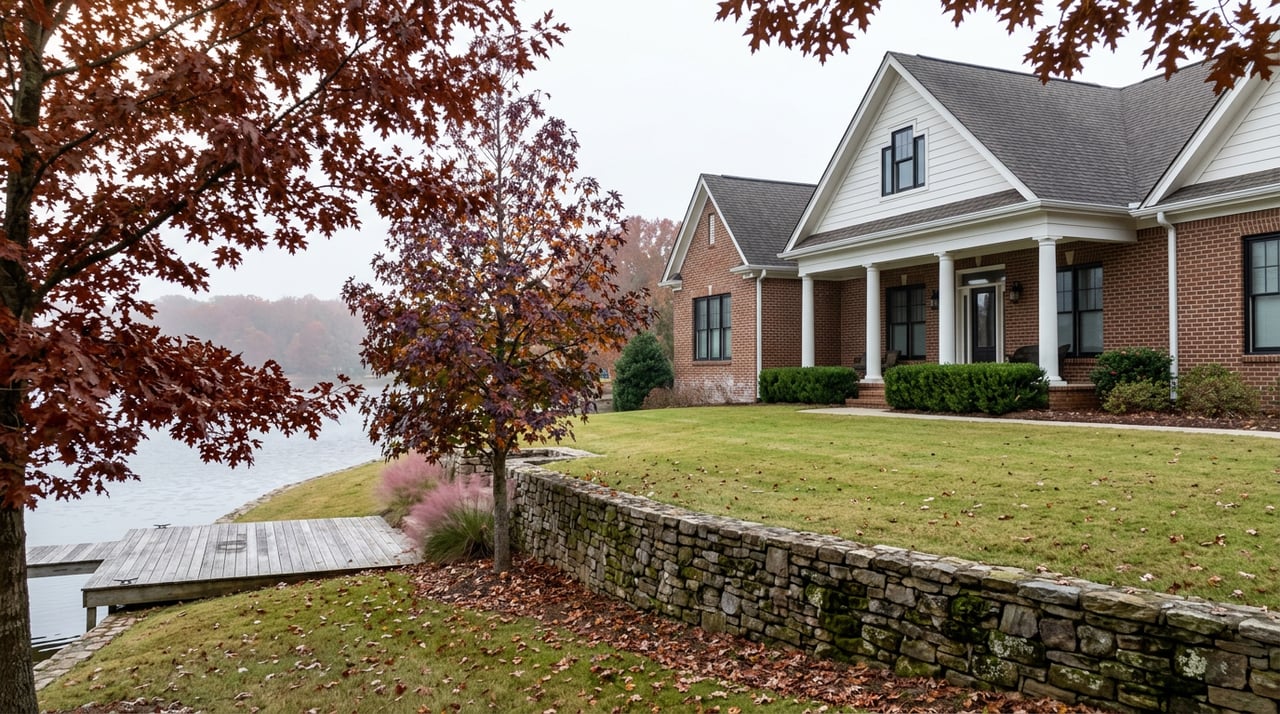
- Flood zone considerations: Some Hall County properties near waterways may require flood insurance. Your lender will obtain a flood certification, which may appear as a fee on your closing statement.
- Closing professionals: In Georgia, closings are commonly handled by closing attorneys or title companies. You can request estimates from several local firms to compare their title insurance premiums and settlement fees.
Who pays what and how to cover costs
You typically pay most mortgage-related fees and prepaids. The seller usually covers real estate commission and can sometimes contribute toward your closing costs, subject to loan rules and negotiation.
- Seller concessions: Many loans allow the seller to contribute up to a limit. For FHA, seller contributions can be up to 6 percent of the sale price. Conventional loans often allow 3 percent for down payments under 10 percent, and up to 9 percent with larger down payments. VA loans permit certain seller-paid items, with specifics set by VA guidelines. Always confirm the exact limit for your loan with your lender.
- Lender credits: You can accept a slightly higher interest rate in exchange for credits that reduce what you bring to closing. This lowers your upfront cost but increases long-term interest expense. Ask your lender to run a break-even comparison.
- Assistance programs: The Georgia Department of Community Affairs offers programs like Georgia Dream that can help with down payment and sometimes closing costs, typically with income or first-time buyer requirements. Explore eligibility and timelines on the Georgia Dream page.
- No-closing-cost loans: These often use lender credits or roll certain costs into the loan. It is not free. Review the long-term trade-offs with your lender.
Timeline and disclosures you will see
Your lender must follow clear disclosure rules designed to help you plan and compare.
- Loan Estimate: Within 3 business days of your mortgage application, you will receive a Loan Estimate with a good-faith breakdown of costs. Learn what to look for in the Loan Estimate.
- Closing Disclosure: At least 3 business days before closing, you will receive a final Closing Disclosure listing your exact Cash to Close. Review each line, confirm credits, and ask questions early. See what is included in the Closing Disclosure.
- Cash to Close: This total includes your down payment, closing costs, prepaid interest, and escrow deposits.
- Paying at closing: Most title companies require a wire transfer or cashier’s check. Protect yourself from wire fraud by verifying instructions directly with the closing attorney or title company using a known phone number.
- What to bring: A government-issued ID, proof of your homeowners insurance binder, wire receipt or cashier’s check, and any final documents your lender requests. If you plan to use a power of attorney, get it approved by your lender and closing attorney well before closing.
Smart ways to reduce what you bring to closing
Use these practical steps to keep your costs in check while protecting your long-term goals.
- Shop two or three lenders and compare full Loan Estimates, not just the interest rate.
- Request fee quotes from several local title or closing attorneys to compare title premiums and settlement fees.
- Negotiate seller concessions within your loan’s limits, especially if the home has been on the market for a while.
- Review the trade-off between discount points and lender credits. Ask your lender for a break-even analysis.
- Explore down payment and closing cost assistance programs early to align timelines and eligibility.
- Time your closing date to minimize prepaid interest or tax escrows when possible.
- Order only necessary specialty inspections after your general inspection identifies concerns.
Quick Gainesville closing checklist
Use this as a guide as you move from contract to closing.
- Apply with your lender and get a Loan Estimate. Compare at least two lenders.
- Schedule a home inspection and any needed specialty inspections.
- Your lender orders the appraisal.
- Get estimates from local title or closing attorneys for title insurance and settlement fees.
- Confirm Hall County’s tax calendar and how taxes will be prorated for your closing date.
- Secure homeowners insurance and obtain your binder.
- Review your Closing Disclosure carefully when it arrives. Verify credits, seller concessions, and Cash to Close.
- Confirm wiring instructions by phone with the closing attorney or title company using a verified number.
- Bring your ID and required funds to closing. Keep copies of all documents for your records.
Ready to close with confidence in Gainesville?
You deserve a clear picture of your costs and a smooth path to the closing table. With MBA-level analysis, ABR buyer advocacy, and deep Hall County expertise, Amy helps you understand each line item, negotiate smart concessions, and coordinate with local lenders and closing attorneys so there are no surprises. If you are planning a purchase around Lake Lanier or greater Gainesville, connect with Amy Scott to get a custom closing cost plan and next steps for your move.
FAQs
What are typical closing costs for Gainesville buyers?
- Expect roughly 2 to 5 percent of the purchase price, which for a $300,000 home is about $6,000 to $15,000 before your down payment.
Can a Hall County seller pay my closing costs?
- Often yes, through seller concessions, but limits apply by loan type, such as up to 6 percent for FHA and 3 to 9 percent for many conventional loans, with VA rules allowing certain seller-paid items.
How will I know my exact cash to close?
- Your Closing Disclosure, delivered at least 3 business days before closing, lists the final Cash to Close, and your earlier Loan Estimate provides a good-faith estimate.
Are property taxes and HOA dues prorated at a Gainesville closing?
- Yes, taxes and dues are typically prorated based on your closing date, and your lender may require escrow deposits for upcoming bills, so check the Hall County tax calendar for timing.
Do I need owner’s title insurance in Georgia?
- A lender’s policy is required if you finance your purchase, and an owner’s policy is optional but recommended to protect your equity with a one-time premium.
What should I bring to the closing table in Georgia?
- Bring a government-issued ID, your homeowners insurance binder, wire confirmation or cashier’s check, and any lender-requested documents, and confirm wire details by phone before sending funds.