Wondering why a solid offer can still hit a speed bump before closing? In Gainesville, the appraisal often plays a big role in whether a deal stays on track, especially when pricing and comparable sales do not line up perfectly. If you are buying or selling in Hall County, understanding how appraisals shape offers can help you make smarter decisions, reduce surprises, and negotiate with more confidence. Let’s dive in.
Why appraisals matter in Gainesville
A home appraisal is an independent opinion of market value prepared by a trained, state-credentialed professional. In a purchase, the lender usually orders the appraisal to help decide how much money it is willing to lend, and the buyer usually pays for it.
That matters because the lender is focused on the home’s value, not just the price written into the contract. If the appraised value meets or exceeds the contract price, financing usually moves forward more smoothly. If the value comes in low, the buyer and seller may need to renegotiate, the buyer may need to bring in more cash, or the deal could fall apart depending on the contract terms.
It is also important to separate a mortgage appraisal from other valuation numbers you may see. In Hall County, the tax assessment process is different from a lender’s appraisal, and county values should not be treated as a direct substitute for market value in a sale.
What appraisers look at
Appraisers do not use a single formula. They weigh a mix of property details, recent comparable sales, and overall market conditions to form an opinion of value.
Some of the key factors include:
- Square footage
- Bedroom and bathroom count
- Overall condition
- Structural quality
- Maintenance level
- Landscaping
- Location and views
- Outdoor features such as pools
- Recent comparable sales
- Broader market trends
In Gainesville, that local context matters. A standard single-family home in a neighborhood with several recent nearby sales may be easier to value than a property with highly specific features or a more limited pool of comparable homes.
How Gainesville market data affects offers
Recent Gainesville market data suggests a market that is somewhat competitive, but not one where every home is selling far above asking price. Over the last three months ending April 2026, homes in Gainesville received about one offer on average, sold in about 64 days, had a median sale price of $379,688, and a sale-to-list ratio of 97.7%.
That sale-to-list ratio is useful because it shows many homes are closing close to list price, but not necessarily over it. Some homes do receive multiple offers, yet the broader pattern suggests buyers and sellers should still pay close attention to recent comparable sales when setting or responding to an offer.
A few nearby snapshots help show how pricing can vary within the Gainesville area:
| Area | Median sale price | Days on market | Sale-to-list ratio |
|---|---|---|---|
| Gainesville | $379,688 | 64 | 97.7% |
| 30504 | $354,821 | 38 | 97.7% |
| 30507 | $395K | 77 | 99.0% |
| 30506 | $489K | 88 | 97.9% |
When you look at those numbers, one thing becomes clear: Gainesville is not one single price story. A strategy that makes sense in one zip code or property type may not translate well to another.
Why appraisal gaps happen
An appraisal gap happens when the appraised value comes in below the contract price. This tends to show up more often when a buyer bids aggressively or when a property is hard to compare to other recent sales.
In Gainesville, appraisal-gap risk can increase when an offer runs well above recent local comparable sales. Since many deals are closing near list price rather than dramatically over it, a big premium may be harder to support unless there is strong evidence from recent similar sales.
For buyers, that can mean an unexpected cash requirement. If the lender bases the loan on the lower appraised value instead of the contract price, you may need to cover the difference out of pocket unless the seller agrees to adjust the price.
For sellers, a high offer is not always the strongest offer if the value may not hold up. A clean, well-supported offer can sometimes be more reliable than a headline price that depends on an appraisal stretching beyond the available comps.
Property type changes the appraisal story
Not every Gainesville property is valued the same way. The local market includes single-family homes, townhomes, condos, pool homes, and waterfront properties, and those categories often require different comparable sales.
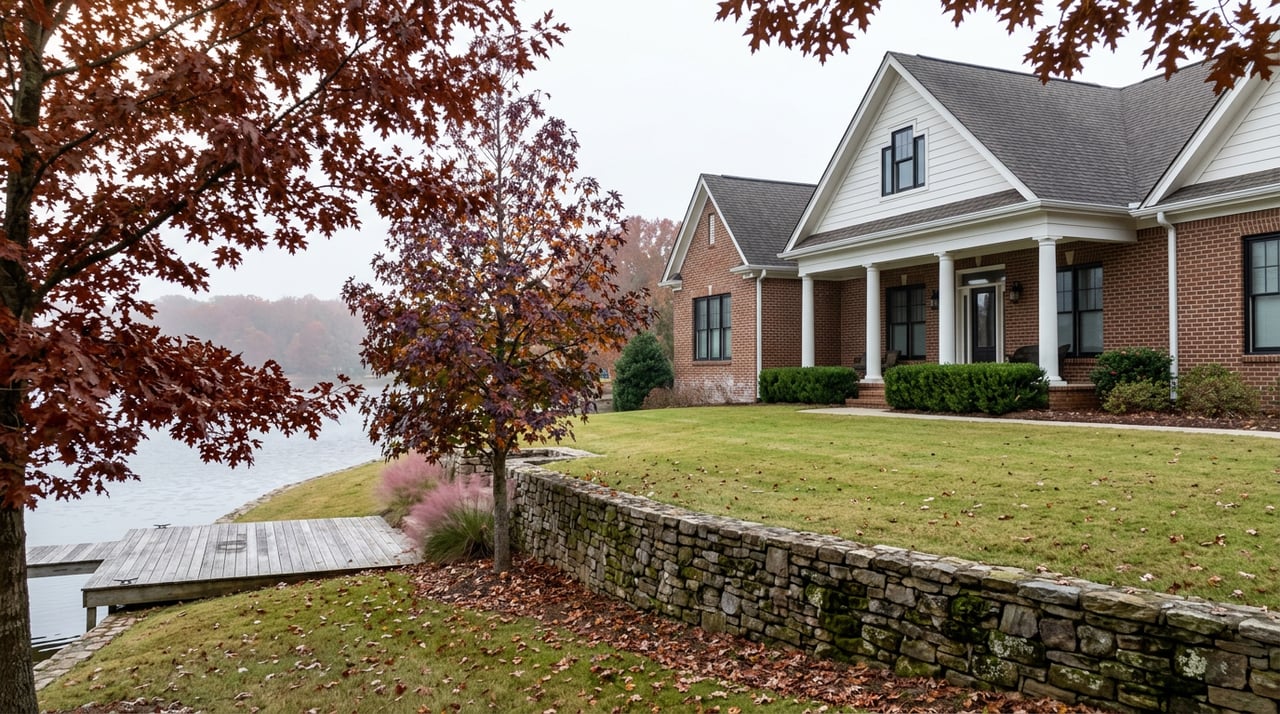
That is especially relevant in the Lake Lanier and Hall County corridor, where lifestyle features can strongly affect value. Waterfront location, shoreline or dock access, views, lot size, and pools may all require more detailed adjustments than a more typical suburban home would.
For many standard homes in Gainesville’s common price bands, often from the mid-$300,000s to just under $500,000, appraisals usually depend heavily on close neighborhood comps. But the farther a property sits from the median neighborhood product, the more important it becomes to evaluate true local comparables rather than broad citywide averages.
One example from 30504 shows how wide the range can be. Recent sold-home examples ranged from about $313,990 to $3.45 million, including a $791,600 sale that closed 3% under list after 96 days. That kind of spread is a reminder that unique homes need highly relevant comps, not just general market headlines.
What buyers should do before making an offer
If you are buying in Gainesville, the appraisal should be part of your offer strategy from the start. This is especially true if you are competing for a home with standout features or considering an offer above recent nearby sales.
A few smart steps can help:
- Review recent comparable sales before deciding how aggressive to be
- Leave room in your budget for a possible appraisal shortfall if you bid high
- Understand that the appraisal and inspection are different steps
- Review the appraisal promptly once your lender provides it
- Ask your lender about a reconsideration of value if the report seems unsupported or incomplete
Buyers are entitled to receive a free copy of the appraisal for a first-lien mortgage, and the lender must provide it promptly and no later than three days before closing. If the value comes in low, common next steps may include negotiating a lower price, increasing your down payment, or walking away if your contract allows it.
In some conventional loan cases, a full appraisal may be waived through value acceptance. When that happens, the financing path can look different, but eligibility depends on the loan and property details.
What sellers should do before the appraisal
If you are selling, your job is not to influence the appraiser’s opinion. Your job is to make sure the home presents clearly and that relevant upgrades are easy to verify.
Before the appraisal visit, sellers can:
- Clean and declutter the home
- Complete minor repairs
- Freshen paint where needed
- Tidy landscaping
- Prepare a one-page list of improvements with dates
These steps can help the appraiser see the home’s condition and updates more clearly. They do not guarantee a certain value, but they can reduce the chance that meaningful work or maintenance is overlooked.
How timing can affect your transaction
Appraisals do not all move at the same speed. The process can take anywhere from a few days to a few weeks, and timing may stretch when appraisal activity is heavy or when a property is more complex.
That is worth planning for if you are on a tight contract timeline. Homes with waterfront features, pools, unique sites, or limited comparable sales may take more analysis than a more typical property would.
Also keep in mind that appraisers generally discuss the report with the lender, not directly with the buyer or seller. If questions come up, the lender is usually the right channel for follow-up.
Why offer strategy matters more than ever
In a market like Gainesville, where many homes are selling near list and timelines vary by area and property type, the best offer is not always the highest number on paper. It is the offer that balances price, financing strength, local comparable sales, and realistic appraisal risk.
That is where a data-informed strategy can make a real difference. Buyers need to know when to push and when to protect themselves. Sellers need to know when a strong price is truly supported and when a lower-risk contract may be the smarter path.
If you are planning a move in Gainesville or anywhere in Hall County, working with local guidance can help you read the comps more clearly, set better expectations, and navigate the appraisal process with less stress. For tailored advice on pricing, offers, and local market strategy, connect with Amy Scott.
FAQs
What does a home appraisal do in a Gainesville purchase?
- A home appraisal gives the lender an independent opinion of market value so it can decide how much it is willing to lend on the property.
How is a Hall County tax assessment different from a mortgage appraisal?
- A Hall County tax assessment is part of the property tax system, while a mortgage appraisal is used by a lender during a purchase or refinance, so the two values may not match.
What happens if a Gainesville home appraises below the offer price?
- The lender may reduce the loan amount, which can lead to renegotiation, a larger cash contribution from the buyer, or cancellation if the contract allows it.
What do appraisers consider when valuing a Gainesville home?
- Appraisers typically look at factors such as square footage, bed and bath count, condition, maintenance, location, views, outdoor features, recent comparable sales, and market trends.
How should buyers prepare for appraisal risk in Gainesville?
- Buyers should review local comparable sales, avoid stretching beyond supportable value without a plan, and be ready to review the appraisal quickly with their lender.
How should sellers prepare for a home appraisal in Hall County?
- Sellers should clean, declutter, handle minor repairs, freshen the home where needed, and provide a dated list of upgrades so the appraiser has clear property details.
Do waterfront or pool homes in Gainesville appraise differently?
- They often require more specialized comparable sales because features like waterfront location, views, dock access, pools, and lot characteristics can affect value differently than standard homes.
How long does a home appraisal take in Gainesville?
- The process usually takes a few days to a few weeks, with longer timelines possible for complex properties or during busy appraisal periods.