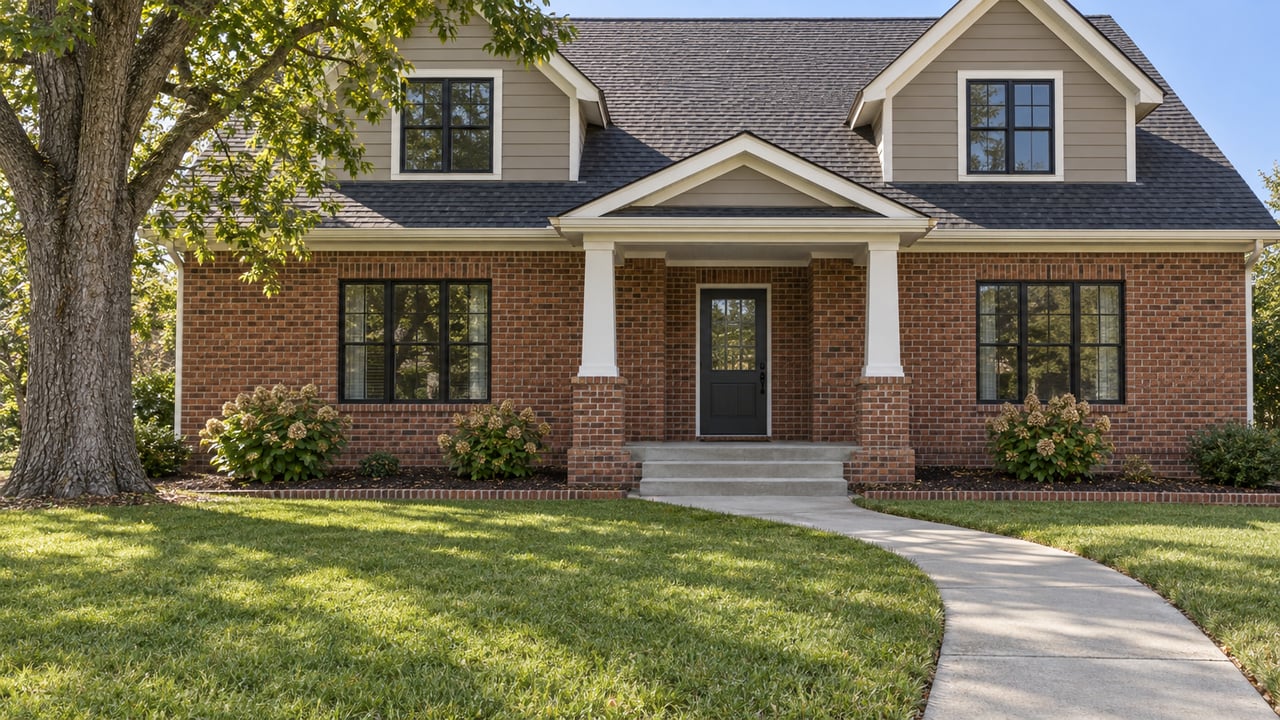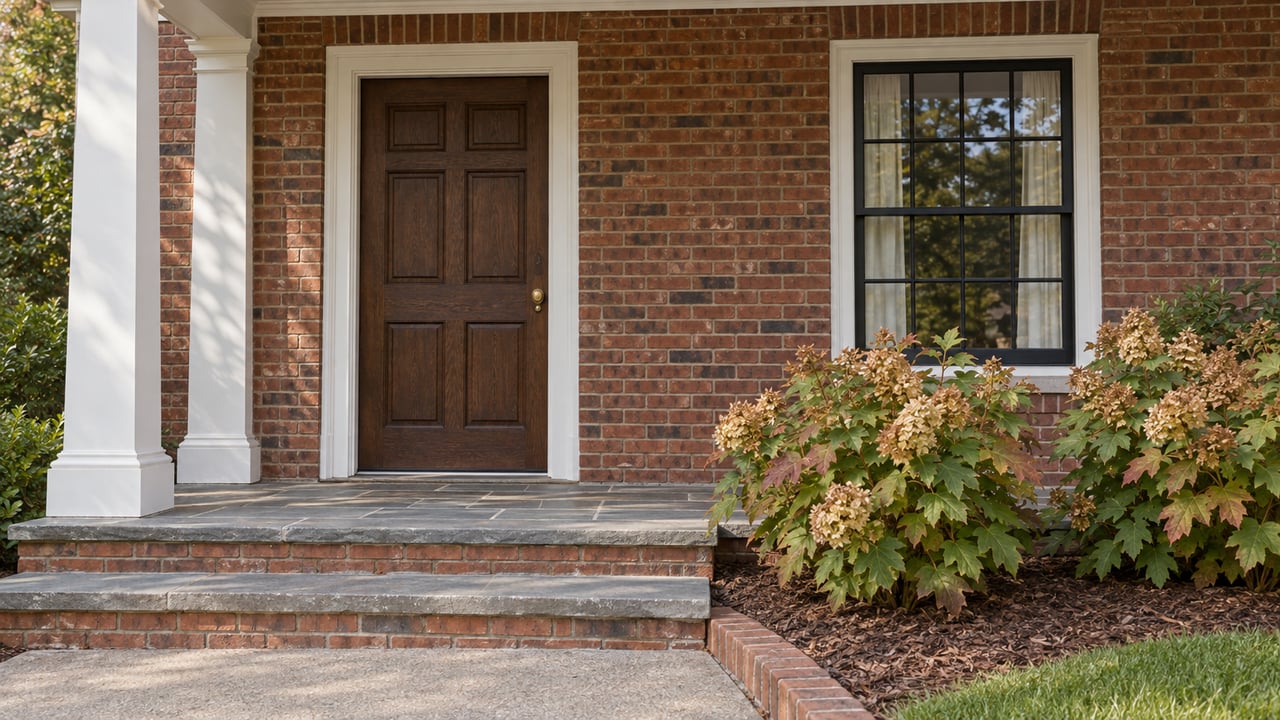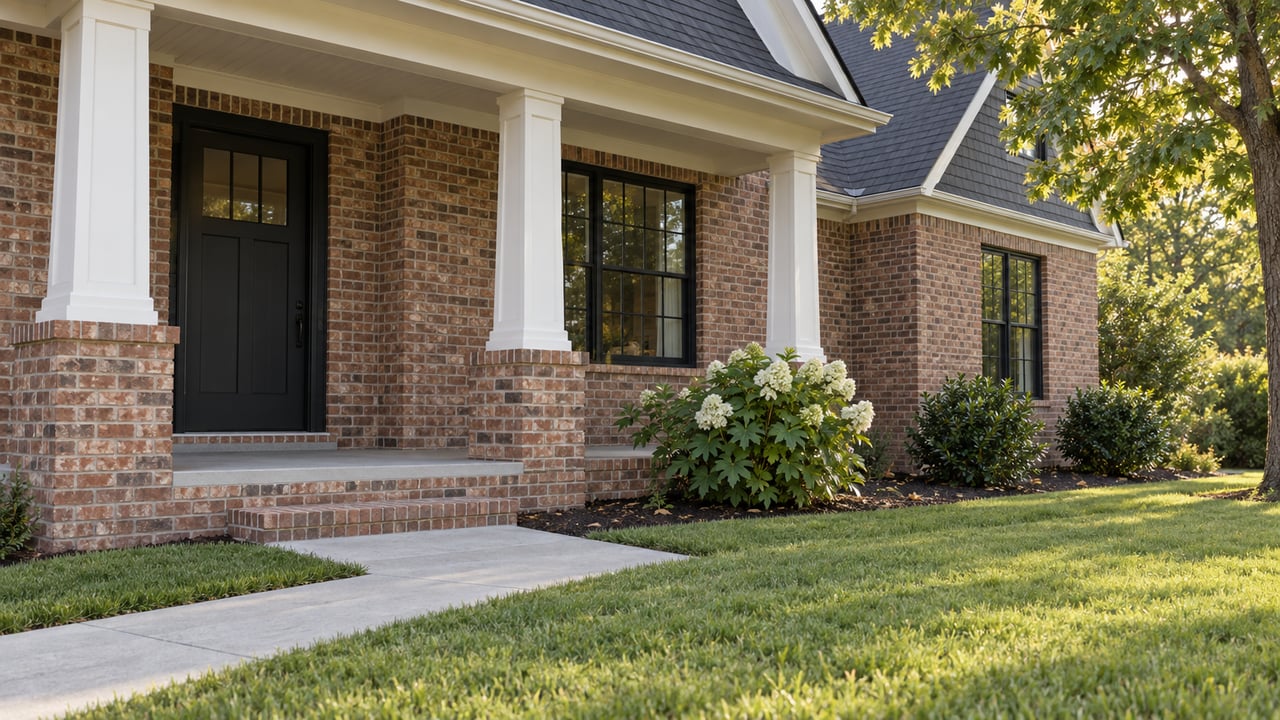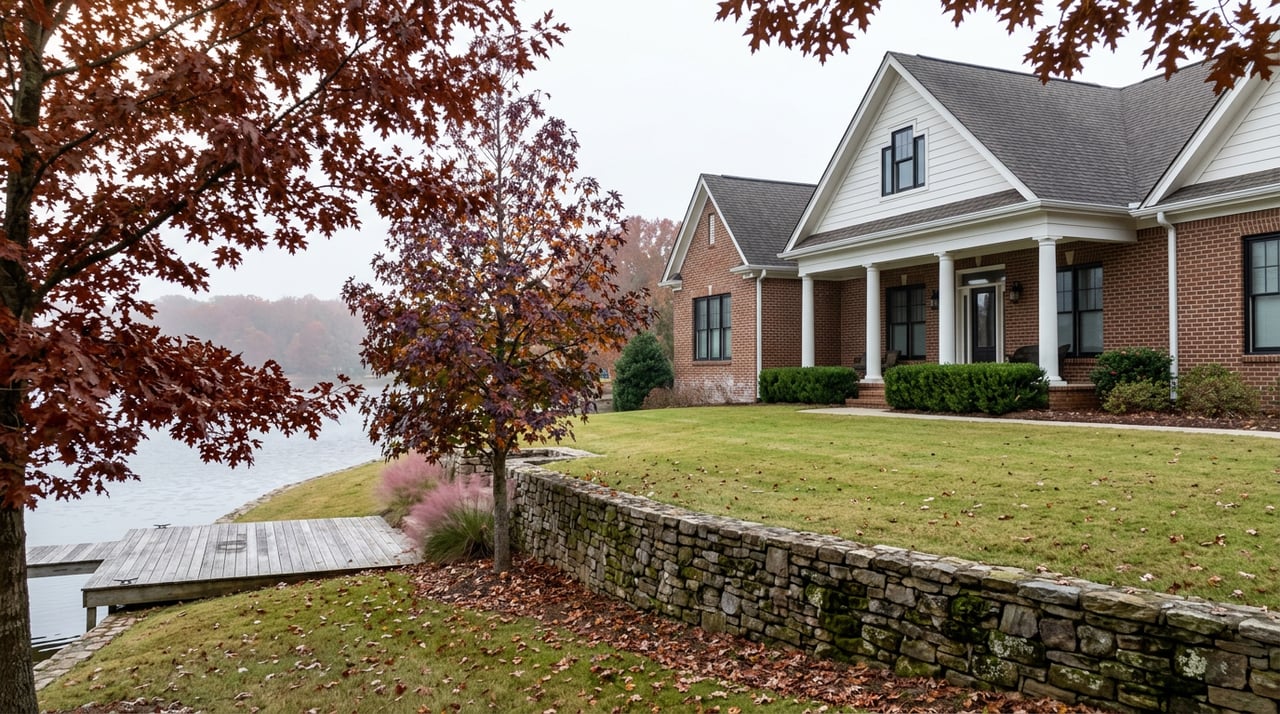
Thinking about a move to Jefferson, Georgia? You’re not alone. Many buyers are drawn to its small-city feel, historic character, and access to larger job centers nearby. If you want a smooth relocation, it pays to understand housing types, schools, utilities, commutes, permits, and local logistics before you pack a box. This guide gives you practical, verified steps and resources so you can make confident choices. Let’s dive in.
Jefferson at a glance
Jefferson is the county seat of Jackson County in northeast Georgia. You’ll find a charming downtown, established neighborhoods, and newer developments on the outskirts, with rural properties close by. The city sits within the broader Atlanta–Athens–Gainesville region, so many residents commute to larger employment centers. Expect a mix of local jobs and commuter households, with a lifestyle that balances small-city convenience and access to regional amenities.
Housing options and where to look
You’ll see a range of property types: historic homes near downtown, move-in ready subdivisions, newer builds, townhomes in select areas, and rural parcels with acreage. Keep an eye on differences between addresses inside the city limits and those in unincorporated Jackson County. Services, zoning rules, and HOAs can vary by location.
City vs. rural services
- City addresses often have municipal water and sewer. Rural properties may rely on well and septic systems.
- Internet and cable availability can differ by street. Rural addresses may have fewer options or slower speeds than in-town areas.
- Electricity providers vary by address. Some areas are served by an electric cooperative such as Jackson EMC; others may use a different utility.
Inspections and systems to budget for
- Septic: Schedule a professional inspection and pumping evaluation, especially for older systems.
- Well: Test water quality and quantity. Plan for ongoing testing and possible treatment.
- Flood risk: Review FEMA flood maps to confirm whether flood insurance could be required by your lender.
- Termite/pest, roof, HVAC, and structural inspections are standard in this climate and essential for older homes.
HOAs and covenants
Newer subdivisions often have homeowners’ associations. Review covenants, fees, and architectural guidelines before you write an offer. If you want freedom for outbuildings or specific exterior changes, confirm what is allowed.
Cost of living, taxes, and utilities
Your monthly budget will depend on property type, services, and location. Plan ahead so there are no surprises after closing.
Property taxes in Jackson County
- Property taxes are administered locally. The county assessor sets valuations and the Tax Commissioner collects bills.
- If you plan to live in the home as your primary residence, apply for the homestead exemption to reduce your tax burden. Exemptions are applied at the county level and require an application.
- Millage rates can change, so verify the current rate and your assessed value when you go under contract.
Sales tax and local add-ons
Georgia’s sales tax is set at the state level with county and city add-ons layered in. Confirm the current combined rate through official state revenue resources when budgeting for big purchases.
Monthly utilities to plan for
- Electricity: Costs vary by provider and usage. Ask for recent bills when you’re considering a property.
- Water and sewer: City-served homes will have municipal billing. Rural properties will not have monthly water/sewer fees but will have periodic well and septic maintenance costs.
- Natural gas: Availability varies by area. Some properties use propane or have no gas service.
- Trash and recycling: Pickup is handled by the city in some areas and by private haulers in others. Confirm your service and schedule by address.
- Internet: Options can include fiber, cable, DSL, or fixed wireless, depending on location. Check providers by exact address before you buy.
Schools and childcare overview
Jefferson’s public schools are part of the Jackson County School System. Because attendance zones can shift with growth, always verify current boundary maps by address before you decide on a home.
What to check:
- Enrollment: Review required documents such as proof of residency, immunization records, and registration deadlines.
- Performance: Use Georgia Department of Education resources for report cards and graduation data. Cross-check any third-party summaries with state sources.
- Private and childcare: Private schools and daycares may have limited capacity. Contact providers directly to confirm availability, hours, and licensing through Georgia’s early care agencies.
Jobs, commute, and transportation
Jefferson has local employment in municipal services, retail, healthcare, education, and nearby manufacturing or industrial facilities. Many residents commute to larger job markets in Athens, Gainesville, and the greater Atlanta area.
Commute tips:
- Jefferson is car-dependent, and regional public transit options are limited. Plan for driving.
- Test your route during the times you would normally travel. Commute times can vary widely by neighborhood and by rush hour.
- Ask your agent to help you map potential homes to your workplace and typical errand routes.
Healthcare, safety, and amenities
You will find primary care and urgent care options in and around Jefferson. For major hospitals and specialty care, most residents use facilities in nearby regional centers. If you have specific medical needs, map your likely providers and drive times from any home you are considering.
Public safety is provided by the Jefferson Police Department within city limits and the Jackson County Sheriff’s Office in unincorporated areas. Fire protection is handled by city services in town and by county or volunteer departments in rural districts. If insurance premiums are a concern, ask your insurer how local fire coverage and ISO ratings could affect your policy.
On the lifestyle side, enjoy city parks, community events, a historic downtown with local shops and restaurants, and easy access to North Georgia’s outdoor recreation. Day trips to lakes, trails, and mountain towns are part of the appeal of this region.
Permits, zoning, and closing basics
Before you plan renovations or add structures, contact the City of Jefferson for building and permit requirements. Zoning rules can differ between city and county, so confirm permitted uses, setbacks, and any historic-district guidelines that may apply downtown.
Buyer checkpoints:
- Title, lending, and insurance: Your lender may require septic or well inspections or flood insurance, depending on location. A clear title search is standard.
- Rural land use: If you are purchasing acreage, research any agricultural use designations, conservation easements, or right-to-farm provisions.
- HOA documents: Review covenants, architectural controls, budget, reserves, and any pending assessments.
Climate and hazard readiness
Jefferson’s humid subtropical climate brings hot, humid summers and mild winters. Most winter precipitation is rain, with occasional ice or snow.
Seasonal maintenance:
- Service HVAC before the summer heat and again before winter.
- Keep gutters and drainage clear for heavy rains.
- Plan termite and moisture prevention, especially for crawlspaces.
Natural hazards to be aware of:
- Severe thunderstorms and occasional tornadoes can occur. Follow guidance from state emergency management and local weather services.
- Flood risk varies by parcel. Use official flood maps to evaluate elevation, drainage, and insurance needs.
- Wildfire risk is lower than in arid regions, but if you buy wooded acreage, maintain defensible space around structures.
Your relocation game plan
Use this simple checklist to stay organized:
- Define your budget and preapproval
- Get preapproved so you can act quickly in a competitive market.
- Ask your lender about any property-specific requirements for wells, septic, or flood zones.
- Shortlist neighborhoods
- Decide whether you prefer in-town conveniences or rural privacy.
- Drive potential routes to work, schools, and daily errands during peak hours.
- Verify services by address
- Confirm electricity provider, water/sewer or well/septic, trash service, and natural gas or propane.
- Check internet options and speeds at the exact address.
- Research schools and childcare
- Verify attendance zones, registration timelines, and required documents.
- Contact private schools or daycares early to check capacity and waitlists.
- Plan inspections and due diligence
- Order general home, termite, roof, and HVAC inspections.
- Schedule septic and well testing if applicable. Review flood maps and insurance quotes.
- Understand taxes and fees
- Confirm assessed value and millage rates. Apply for the homestead exemption if the home will be your primary residence.
- Review HOA fees and any community transfer charges.
- Prep for closing and moving
- Coordinate with a local closing attorney or title company for recording and settlement.
- After closing, update your driver’s license, vehicle registration, and voter registration through state and county offices.
Ready to explore Jefferson with an expert by your side? With MBA-level strategy, buyer advocacy, and deep North Georgia market knowledge, I help you compare neighborhoods, verify utilities, and secure the right home with confidence. If you’re moving for lifestyle, schools, or a shorter commute, let’s build a plan that fits you. Reach out to Amy Scott to get started.
FAQs
Is Jefferson, GA a practical home base for commuting to Athens or Atlanta?
- Yes for many buyers, but Jefferson is car-dependent with limited regional transit. Test your door-to-door route during rush hour from specific neighborhoods to confirm timing.
How do public school options work in Jefferson and Jackson County?
- Schools are administered by the Jackson County School System, and attendance zones can change. Verify boundaries by address, review state report cards, and visit schools directly.
What should I know about Jackson County property taxes and exemptions?
- Taxes are based on assessed value and millage rates set locally. If the home is your primary residence, apply for the county homestead exemption to reduce your bill.
Will my Jefferson-area home have city water and sewer?
- Many in-town homes do, while rural properties often have private wells and septic systems. Confirm service type and provider by exact address before you make an offer.
How reliable is internet in rural parts of Jackson County near Jefferson?
- It varies by address. Some areas have fiber or cable, while others rely on DSL or fixed wireless. Check provider availability and speeds for each property you consider.