You bought a Lake Lanier home for the water, not the walls. If you are planning a remodel or prepping to sell, the right design moves can turn good views into showstopping views that boost daily enjoyment and listing appeal. In this guide, you’ll learn practical ways to open sightlines, connect indoor and outdoor rooms, choose materials that last in North Georgia’s climate, and plan around permitting on a sloped lake lot. Let’s dive in.
Why the view drives value
Water views, outdoor living, and clear sightlines rank high for buyers and often add more perceived livability than extra interior square footage. For sellers, targeted improvements that improve view access and outdoor usability can outperform broad, high-cost remodels in photos and showings. On Lake Lanier, projects also navigate unique factors like sloped terrain and U.S. Army Corps of Engineers oversight for shoreline areas.
Open the view with smarter glazing
Window walls that work
Large sliding, folding, or fixed glass panels can create an uninterrupted lake-facing elevation. Many homes use a combination of big fixed panels for a clean view and operable doors for ventilation and access. Plan for engineered headers or beams where you widen openings, and involve a structural engineer early.
Choose frames and glass for performance
Slim-profile frames help the view read as one panorama. Pair them with glazing that balances summer heat and winter comfort using low-e coatings with appropriate SHGC and U-factor. You can learn the basics in the U.S. Department of Energy’s guidance on windows, doors, and skylights and selection tips from ENERGY STAR window and door guidance. Use tempered or laminated safety glass for large or low-to-floor openings.
Control sun and glare without blocking the view
Deep roof overhangs, exterior screens, pergolas, and low-profile interior shades cut glare and summer heat while keeping the horizon open. If you are unsure where to expand openings, do simple sightline tests by taping proposed window sizes on walls to see how furniture and circulation will work.
Rework interiors for sightlines
Put main living on the lake side
Prioritize your kitchen, living, dining, and primary suite where they catch the best views. Shift secondary spaces like laundry or mudroom to the uphill side. When possible, keep primary living on one level to appeal to more buyers and simplify daily use.
Edit walls and circulation
Removing a few non-structural walls or widening cased openings can create a continuous view corridor from the entry through the main living area. Even partial removals that “frame” the view can deliver outsized impact. Arrange seating to face outward and keep low-profile pieces near windows so your eye flows to the water.
Keep finishes quiet near the glass
Use light, warm neutrals around large windows to reduce distractions. Choose minimal or retractable window treatments so you do not cut lines across the view. Layer lighting to avoid glare at dusk.
Create outdoor rooms that extend the view
Decks and terraces for sloped lots
Multi-level decks or terraces make steep yards usable and connect visually to interior rooms. Composite decking offers lower maintenance, while high-end natural woods bring a premium look with more upkeep. Tie each level to a purpose, such as lounging near the main living area and dining on a mid-terrace.
Covered spaces and screens
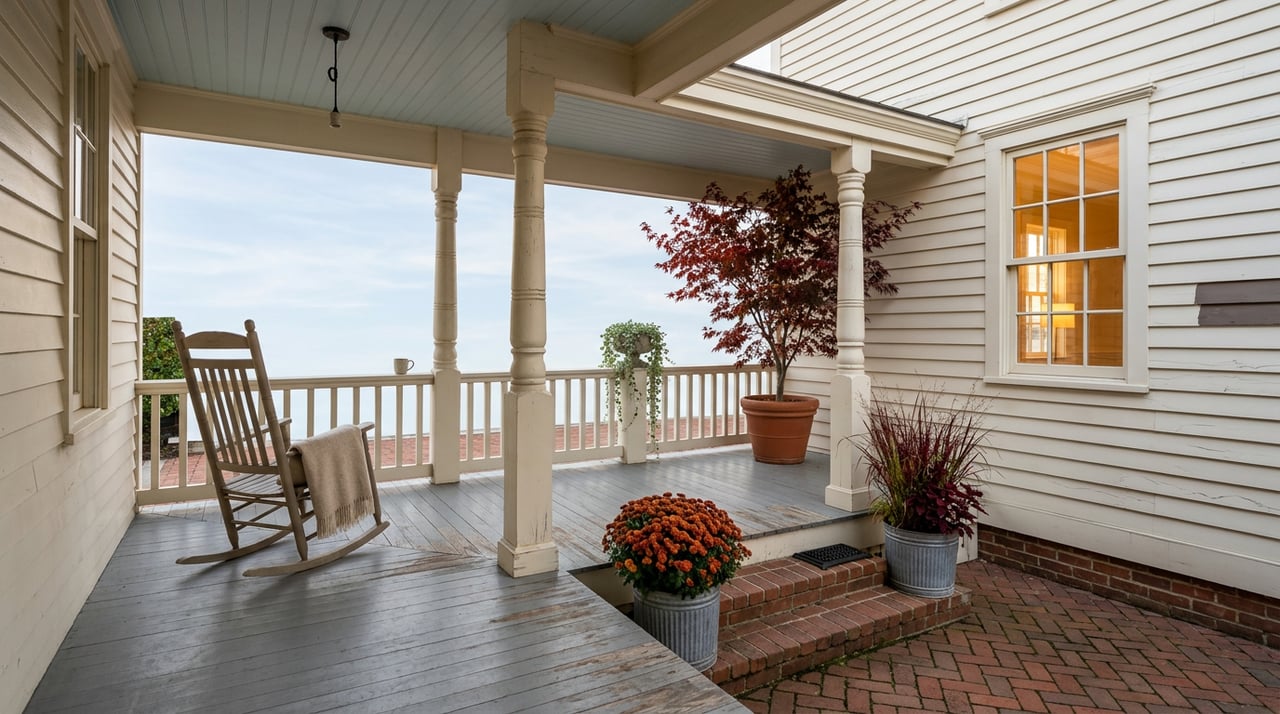
Screened porches and covered patios extend your season and reduce afternoon glare. Retractable screens preserve the panorama when not in use. Keep rooflines and columns slim so they frame the lake instead of blocking it.
Stairs, rails, and dock orientation
Use simple runs of stairs with open risers where appropriate and slim railings to reduce visual clutter. Glass or cable rail systems can help maintain sightlines, but be sure they are engineered to meet code loads. Align the feel of your outdoor rooms with your dock orientation to strengthen the sense of connection to the water.
Landscape to frame the lake, not hide it
Selective clearing and pruning
Avoid blanket tree removal. Thoughtful pruning and the removal of a few view-blocking stems often open vistas while keeping shade and privacy. Work with HOA rules and local guidance, and protect your slope’s stability as you edit.
Stabilize slopes with native plants
On sloped sites, deep-rooted native plants and groundcovers help control erosion while keeping views low and open. For plant and slope management ideas tailored to Georgia conditions, explore the University of Georgia Cooperative Extension’s lawn and landscape resources.
Plan for seasons
Consider how views change with leaves on and off. Use lower plantings and selective limbing so your view holds in summer but still feels lush and private.
Build right on a sloped lake lot
Structure and drainage first
Walkout basements and day-lit lower levels are common on Lake Lanier. On steeper sites, deep footings, grade beams, or piles may support decks or cantilevered sections. Design drainage with swales, French drains, and catch basins to move water away from the foundation and reduce erosion.
Permits and shoreline rules
Lake Lanier is managed by the U.S. Army Corps of Engineers. Shoreline work, docks, and some stabilization efforts usually require permits. Start early with the USACE Lake Lanier shoreline management resources, and check county and HOA requirements. Before planning terraces or outdoor rooms near the water, verify your flood zone and base flood elevation through the FEMA Map Service Center.
Erosion control and shoreline stabilization
Vegetative stabilization and bioengineering approaches like coir logs and live staking are often preferred to hard armoring. In some cases, engineered riprap may be permitted. Whatever you choose, plan for inspections and maintenance after storms and seasonal water level changes.
Materials that match North Georgia’s climate
Exterior durability
Choose rot-resistant materials for decks and trim, such as fiber cement, composite trim, or durable wood species. Use marine-grade or stainless steel fasteners and hardware near the water to reduce corrosion. Ensure deck framing has ventilation to avoid trapping moisture under composite boards.
Moisture and UV around large glass
Big openings need careful flashing, water management, and ventilation to prevent rot. Low-e coatings and quality shades reduce UV exposure on floors and furnishings. If noise is a concern, consider laminated glass for improved acoustics.
Comfort and insect control
Design for cross-breezes by pairing large fixed glass with nearby operable windows or doors. Screened porches or retractable screens make summer evenings more comfortable when insects are active.
Budget, ROI, and timing
High-impact, lower-cost moves
Start with selective pruning, brush clearing, and view framing. Remove small interior walls that block sightlines, upgrade window treatments, and reorient furniture to face the lake. Adding or refreshing a screened porch or deck closest to the main living area often yields a visible upgrade in photos and daily life.
Big swings with big payoff
Window-wall systems, major structural openings, engineered retaining walls, and shoreline work can transform a property, but they require professional design and permits. For broad cost and value context on projects like decks and windows, review Remodeling’s national Cost vs. Value report and use local contractor bids for precise pricing.
Timelines and permitting
Smaller projects like pruning, minor deck work, or non-structural interior edits can wrap in weeks to a few months. Structural openings, foundation changes, or shoreline projects often take months, with engineering and permitting adding time. Contact agencies and professionals at the start to keep plans realistic.
Questions to ask your pros
- Have you completed Lake Lanier projects that involved USACE, county, and HOA approvals? Can you share photos and references?
- What is your plan for erosion control during and after construction?
- Will a structural engineer size headers and review any cantilevered sections or retaining walls?
- How long do you expect permitting to take, and what is included in your scope of work?
Quick owner checklist
- Verify flood zone and base flood elevation with the FEMA Map Service Center.
- Contact the USACE Lake Lanier office to understand shoreline and dock rules.
- Meet county building and zoning, and check HOA covenants before clearing trees or moving earth.
- Walk the property with a landscape professional to identify sightline edits and erosion risks.
- Engage a structural engineer for large openings, decks, or retaining walls.
- Collect two to three written contractor estimates with a clear scope and permitting allowances.
Stage your view for the market
For sellers, show the view in every step of presentation. Open shades, edit small furniture that blocks windows, and showcase indoor-outdoor flow in photos. Keep permits, engineering letters, and contractor documentation organized to give buyers confidence. Clearly call out improvements like outdoor rooms, dock access, and slope or shoreline solutions in your listing description.
Ready to plan your remodel or prep your home for a standout Lake Lanier listing? Get local guidance, a tailored plan, and marketing that showcases your view. Request your free home valuation with Unknown Company and start with clear next steps.
FAQs
Do Lake Lanier shoreline projects need permits?
- Yes. The U.S. Army Corps of Engineers manages Lake Lanier’s shoreline. Contact the USACE Lake Lanier office and your county before starting work.
How can I reduce heat gain from large windows on the lake side?
- Use low-e glazing with the right SHGC and U-factor, plus shading like overhangs or exterior screens. See the DOE’s window guidance and ENERGY STAR tips.
What landscaping protects my slope and keeps the view?
- Choose deep-rooted native plants and groundcovers, and rely on selective pruning instead of wholesale clearing. The UGA Extension’s landscape resources offer Georgia-specific guidance.
How long will major view-focused remodels take on a sloped lot?
- Expect months for structural openings, foundation work, or shoreline projects due to engineering and permitting. Smaller edits like pruning or non-structural interior changes can finish in weeks to a few months.