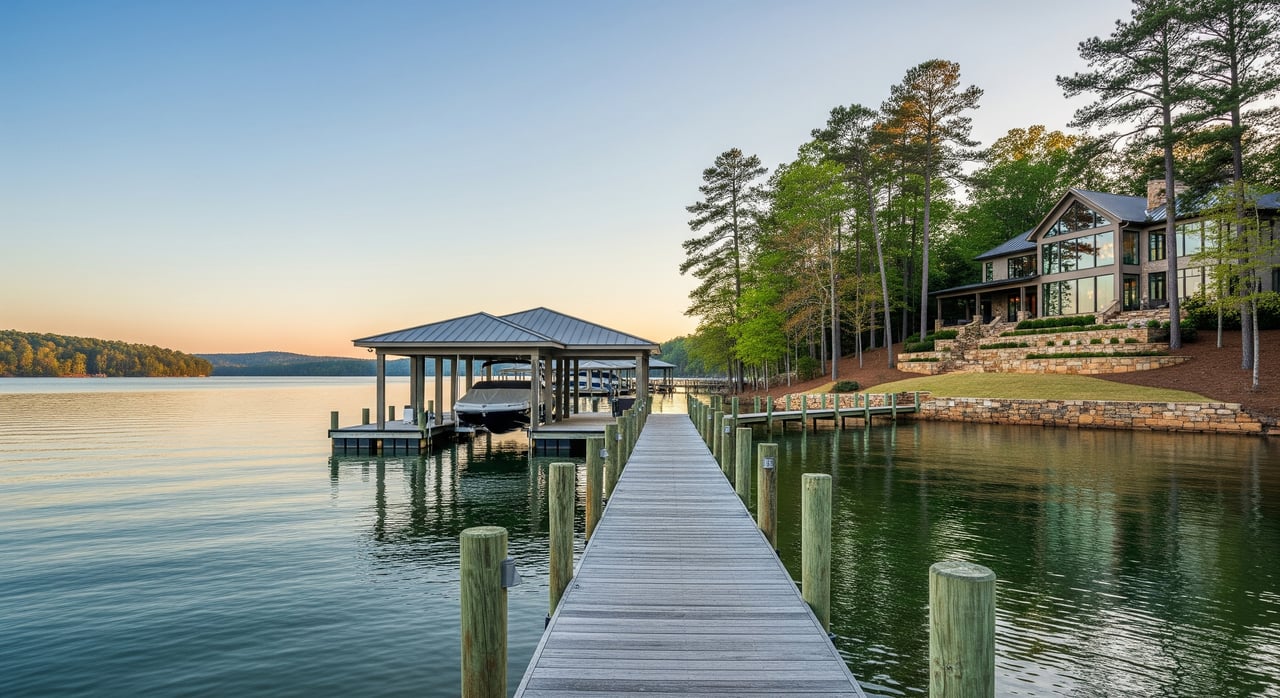
Is every Lake Lanier shoreline worth the same? Not even close. Two homes just a cove apart can sell for very different prices based on dock rights, shoreline slope, views, and even how the lake level moves through the seasons. If you are shopping or preparing to sell, understanding these details helps you protect your budget and maximize value. In this guide, you will learn the key drivers of Lake Lanier waterfront pricing, how pros think about value, and the practical steps to take before you make a decision. Let’s dive in.
The Lake Lanier setting
Lake Lanier sits close to the Atlanta metro, which means strong demand from local residents, second-home buyers, and vacationers. That mix creates a competitive market and a wide range of price points. You see premiums for true waterfront, especially when year-round usability and access are excellent.
Management of the shoreline and water level matters. The U.S. Army Corps of Engineers oversees reservoir operations and regulates many structures along the shore. County governments around the lake handle zoning, building, septic or sewer, and floodplain rules. When you value any property here, the federal and county layers both play a role.
Seasonal and operational changes influence buyer behavior. Warm-weather recreation boosts listing activity and tours, while water-level changes or occasional environmental events can briefly slow demand. Savvy buyers and sellers factor seasonality into their timing.
Physical features that set the baseline
Usable water frontage
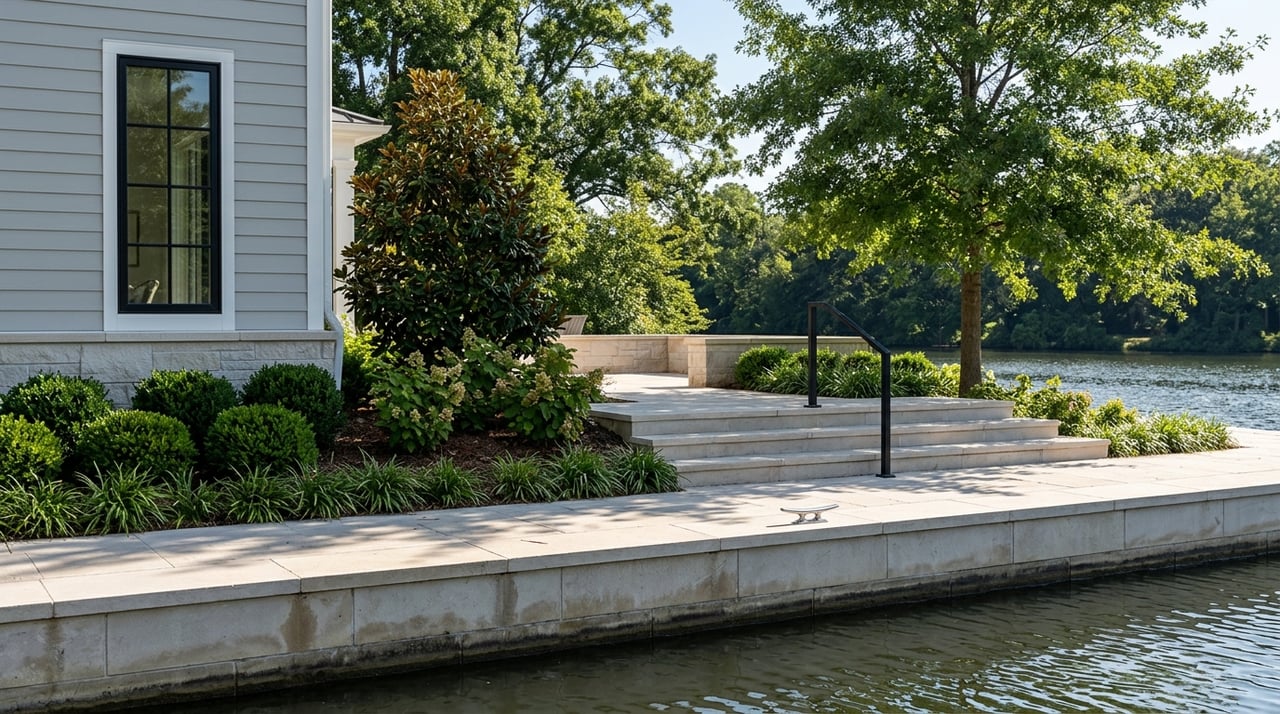
Waterfront value starts with usability. Buyers pay more for a straight, gently sloped shoreline that makes boating and swimming easy. A long but steep or rocky bank can be harder to access and may lower what a buyer is willing to pay.
Dock and boathouse rights
A permitted, transferable private dock or boathouse is one of the most valuable features on Lake Lanier. If a lot has no dock or the existing structure needs replacement, buyers often discount for that cost and for permitting risk. Always confirm whether docking privileges exist and if they can be transferred.
Shoreline slope and stability
Gentle slopes with stable banks are more usable and usually need less long-term maintenance. Steeper, erosion-prone shorelines can require retaining walls or other stabilization, which adds cost and complexity. Buyers consider those future expenses when setting their offers.
Lot size, shape, and build sites
Bigger is not always better, but larger lots with multiple buildable areas create options and value. Narrow waterline frontage, odd lot shapes, or limited build sites can cap how you use the property. That often shows up as a lower price compared to a similar-sized lot with better layout.
Views, orientation, and privacy
Panoramic, unobstructed views add a significant premium. Sunrise or sunset orientation can boost daily enjoyment for many buyers. Privacy from vegetation or natural buffers is a plus for some, but heavy growth that blocks views can reduce functional value unless you prefer the seclusion.
Improvements and condition
Recent renovations, upgraded landscaping, paved access, and utilities that are easy to maintain can move a property higher on a buyer’s list. Seawalls, bulkheads, and well-built retaining walls add confidence about shoreline stability. Outdated or deferred maintenance, especially on docks or shoreline structures, pulls value down.
Access and convenience
Road access and drive quality
Short, direct, paved access is more desirable and easier to maintain. Long private easements, steep drives, or roads that are hard to navigate in poor weather can be a drawback. Buyers weigh daily convenience along with lake lifestyle.
Proximity to marinas and services
Close access to full-service marinas, public boat ramps, groceries, and medical care increases day-to-day utility. If you plan to boat often or host guests, shorter trips to launch points and supplies are worth a premium for many buyers.
Neighborhood character and HOAs
Communities with well-managed covenants or shared amenities can be attractive if you value consistent aesthetics and access to common docks or facilities. If you prefer independence, restrictions on dock type, boathouse size, or short-term rental may be a negative. Your use goals should guide what you pay.
Legal rights and permits
Riparian and littoral rights
On Lake Lanier, what you can do on or near the water depends on the rights attached to the property. Documented, transferable docking privileges and clear shoreline use rights usually command higher prices. Uncertainty around those rights lowers value.
USACE and county permitting
Docks, boathouses, shoreline stabilization, and some improvements require approvals. The U.S. Army Corps of Engineers sets key rules for structures on federal land along the lake, while counties manage building and septic or sewer permits. If a buyer cannot improve a lot the way they plan, they pay less.
Floodplain and setbacks
If a home site sits in a regulated flood area or is subject to large setbacks, your building envelope shrinks and insurance needs may rise. Buyers account for higher premiums, construction requirements, and reduced flexibility when setting their offer.
Easements and boundary issues
Shared access, public easements, or unresolved boundary disputes create risk. A current survey and title review help you verify usable shoreline and spot any encroachments. Clean, well-documented boundaries support stronger pricing.
Environmental and water-level risks
Erosion and shoreline stability
Active erosion can change how you use the shore and increase maintenance. If a property may need engineered stabilization, expect buyers to adjust price for the near-term cost and permitting effort. Stable banks with proven protection are more valuable.
Water quality and invasive species
Water quality headlines, seasonal algae, or invasive vegetation can affect how often people get on the water during certain times of year. Most buyers weigh the overall recreational utility they expect to enjoy over time. Consistent, safe use helps support demand.
Water-level fluctuations
Lake levels can vary as the Corps adjusts for operations and seasonal conditions. Wide or frequent swings can affect dock usability and boat launching. Buyers who plan to be on the water year-round tend to price in this risk.
Insurance exposure
Waterfront homes may have higher flood, wind, or storm-related insurance premiums. Those ongoing costs affect affordability and, in turn, pricing. Insurability and expected premiums are part of a prudent valuation.
Market forces beyond the shoreline
Supply and inventory
Waterfront lots and homes are finite. When true waterfront supply is tight, prices rise. If several new lakefront listings hit a micro-area at once, that extra inventory can moderate price growth.
Buyer demographics and demand drivers
Retirees, second-home buyers, and remote workers value different aspects of the lake lifestyle. Proximity to Atlanta means steady interest from day-trippers and weekend users as well. The mix of buyers influences which features command the biggest premium.
Interest rates and financing
Higher rates reduce buying power, especially for jumbo loans often used on waterfront properties. Financing complexity increases when title or permitting issues exist. Lenders pay close attention to flood risk and insurability.
Seasonality and timing
Spring and summer bring more showings, better light, and active boating, which can amplify interest. Some sellers prefer to list ahead of those peaks, while certain buyers hunt off-season seeking less competition. Timing strategy can move your outcome.
How pros value Lake Lanier waterfront
Comparable sales still rule
Appraisers and agents start with recent sales of similar waterfront properties nearby. They adjust for differences in usable frontage, shoreline slope, view quality, house condition, and improvements. The most relevant comps are usually close by and recent.
Price per foot is not a fixed rule
Some conversations reference price per linear foot of waterfront, but that metric alone can mislead. Usable frontage and the conveyance of dock rights matter far more than a raw number. Experienced appraisers treat price per foot as a starting point, then make careful adjustments.
Adjustments for amenities and use potential
Boathouses, seawalls, panoramic views, and paved access add value. Outdated or non-compliant structures reduce it. If a lot has potential for subdivision or enhanced use, and if local rules allow it, highest-and-best-use analysis can lift the valuation.
Smart due diligence checklist
Before you set a price or submit an offer, confirm the details that drive value:
- Verify if existing dock or boathouse permits are valid and transferable.
- Ask the county about current building, septic or sewer, and floodplain rules for the parcel.
- Review HOA covenants and community rules that affect docks, boathouses, or rentals.
- Order a current survey to confirm boundaries, easements, and encroachments.
- Inspect shoreline slope, bank stability, and any signs of erosion.
- Evaluate water access points for safety, depth, and ease of use.
- Assess the condition of docks, lifts, seawalls, and retaining walls.
- Check typical insurance costs for flood, wind, and homeowners coverage.
- Consider proximity to marinas, public boat ramps, and everyday services.
- Review recent nearby waterfront comps, not just county-wide averages.
Tips to position your property for top value
- Highlight usable frontage and views with selective trimming and clean sightlines.
- Service or repair dock components so buyers see a turnkey setup.
- Document permits, surveys, and maintenance history to reduce buyer uncertainty.
- Freshen landscaping and hardscaping along access paths and the shoreline.
- Photograph at peak light and in-season when water access and views shine.
- Price with the best nearby waterfront comps and clear adjustments for unique features.
Putting it all together
On Lake Lanier, waterfront pricing reflects more than a pretty view. Usable shoreline, confirmed dock rights, stable banks, and easy access often outweigh raw linear footage. Market conditions, seasonality, and financing add another layer. The result is a highly local, detail-driven valuation every time.
Your best move is to verify permits and rights early, study the closest relevant comps, and price according to how the property lives day to day. If you are a seller, position the home so buyers can picture weekends on the water without a punch list. If you are a buyer, be ready to pay more for features that truly improve your lake lifestyle.
Ready to make a confident move on Lake Lanier? Connect with Amy Scott to get a data-informed pricing plan, expert negotiation, and a smooth process from consult to closing. Request your free home valuation.
FAQs
How much more do Lake Lanier waterfront homes cost than similar non-waterfront homes?
- There is a variable waterfront premium that depends on usable frontage, dock rights, proximity to amenities, and local scarcity, which is best measured by recent nearby waterfront comps.
Do you automatically get a dock when you buy a Lake Lanier waterfront lot?
- Not automatically, since dock and boathouse rights require approvals and may involve both county and U.S. Army Corps of Engineers oversight, so you should confirm any existing permitted structures and whether rights transfer.
How do shoreline erosion and water-level changes affect value on Lake Lanier?
- Active erosion and frequent water-level fluctuations reduce usability and increase maintenance, which lowers buyer willingness to pay and should be reflected in price.
Are waterfront properties around Lake Lanier harder to finance?
- Financing can be more complex due to higher price points, possible jumbo loans, and lender scrutiny of title, permits, flood risk, and insurability.
What ongoing costs should Lake Lanier waterfront buyers expect beyond the mortgage?
- Typical recurring costs include dock maintenance, possible seawall or shoreline stabilization, higher insurance premiums, septic upkeep if applicable, and any HOA or community assessments.