Thinking about trading suburban streets for sunrise water views? Full-time life on Lake Lanier can be as practical as it is peaceful, with commutes, schools, and services that work for everyday routines. If you love the idea of boating after work, weekend trails, and a close-knit community vibe, you can make it happen here. In this guide, you’ll learn what daily life really looks like, where to live, what to budget for, and how to test-drive the lifestyle before you buy. Let’s dive in.
Where Lake Lanier living is
Lake Lanier sits in North Georgia, touching several counties and communities. You’ll hear a lot about Gainesville, Flowery Branch, Buford, and the Cumming area, along with smaller coves and neighborhoods around the shoreline. The lake is administered by the U.S. Army Corps of Engineers, which also influences shoreline and dock rules.
Your commute route depends on where you land on the lake. Southern and central spots often use GA 400. Eastern and northeastern approaches run along I‑985 and GA 13. I‑85 and Peachtree Industrial serve the eastern side. Your side of the lake will shape drive times, school districts, and which services you use most.
Daily life logistics
Commutes and traffic rhythms
Many residents work in Gainesville, Cumming, Buford, or commute toward Alpharetta and Atlanta. Weekday traffic follows typical metro patterns. Summer weekends bring more recreational traffic near marinas and ramps, which can slow local drives. Before you commit, run sample commutes at your expected hours and include a busy summer Saturday to understand seasonal variations.
Schools, childcare, and healthcare
Multiple school districts serve the lake area, including Forsyth County, Hall County, and Gwinnett County systems. Attendance zones and offerings vary by neighborhood, so confirm boundaries directly with the district. For healthcare, Gainesville provides major hospital services, and you’ll find urgent care and clinics throughout Buford, Cumming, and Flowery Branch.
Groceries and everyday services
Daily services cluster in the larger towns. Grocery stores, banks, and professional services are plentiful in Gainesville, Buford, and Cumming. Smaller coves may have only a convenience store nearby, so plan routine errands around your closest town center.
Internet and utilities
Broadband availability depends on the county and street. Many suburban areas offer fiber, but some lakefront pockets rely on cable or DSL speeds in the 50 to 100 Mbps range. Always verify providers at the exact address and check county utility departments for water, power, and gas details before you buy.
Seasonal rhythms on the lake
Summer weekends are lively with boats, personal watercraft, fishing, and shoreline gatherings. Spring and fall bring steady activity with calmer weekdays. Winters are typically mild in North Georgia. The lake rarely freezes, and most services operate year-round, though cold snaps and storms can influence maintenance needs.
Boating and outdoor lifestyle
Marinas and boat culture
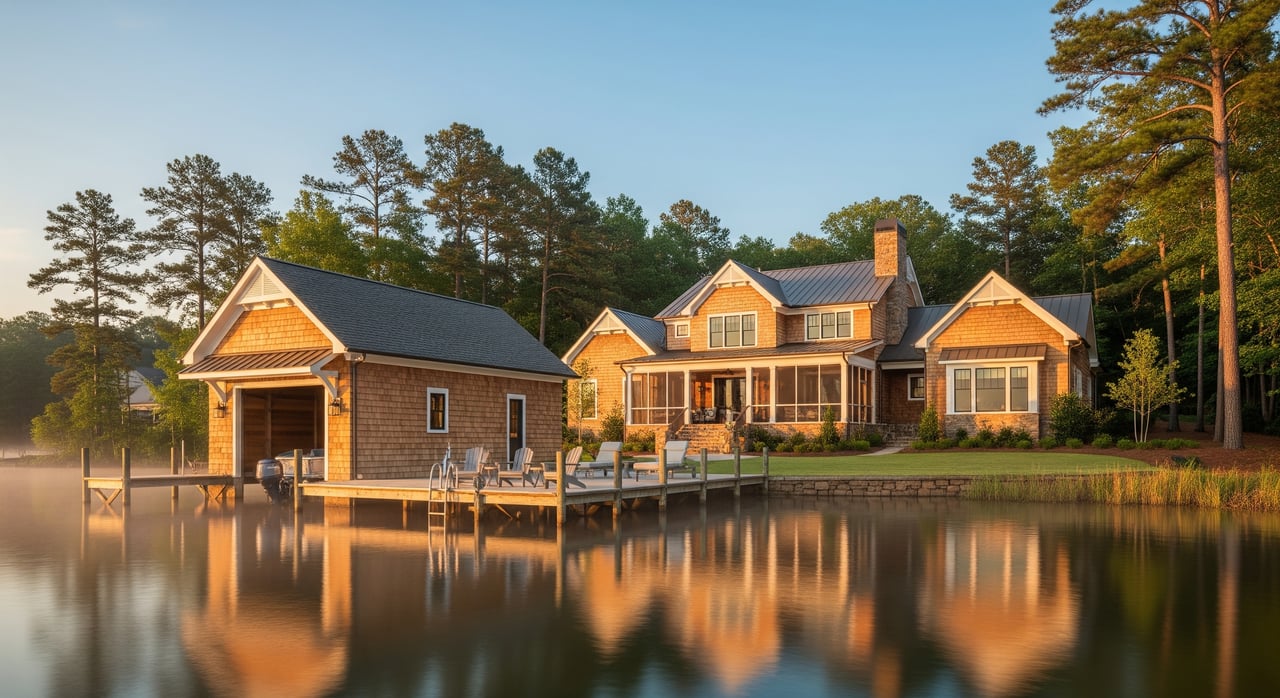
Boating is a big part of life here. You’ll find large marinas and private docks across the lake offering fuel, slip rentals, repairs, and winterization. Slip availability, membership options, and costs vary. Locals often plan launches midweek or early mornings for calmer water, especially in peak summer.
Parks, trails, and beaches
If you enjoy land-based activities, you have choices. Don Carter State Park sits on the lake and offers trails, beaches, and day-use areas. County parks around the shoreline add hiking, family-friendly paths, and picnic areas. The Lake Lanier Olympic Park hosts rowing events and occasional races, keeping the lake’s Olympic legacy alive.
Fishing and events
Anglers target bass, crappie, and catfish. For seasons, limits, and safety, consult Georgia DNR resources or a local guide. Community life on the lake includes festivals, farmers’ markets, marina socials, and concerts at Lanier Islands. Municipal calendars for cities like Gainesville, Cumming, and Buford are your best bet for up-to-date schedules.
Safety and rules
Georgia boating safety laws set life jacket rules and education requirements for operators based on age. Navigation lights, alcohol awareness, and attentiveness to submerged hazards are standard best practices. For dock rules and shoreline work, start with the U.S. Army Corps of Engineers and then check county permitting.
Housing and ownership basics
Home types you’ll see
- Waterfront single-family homes with private docks
- Lake-access homes with shared docks or community marinas
- Condos and townhomes near marinas or lakeside corridors
- Inland suburban homes a short drive from the water
What drives prices
Pricing depends on direct waterfront versus access, dock size and condition, cove setting versus open water, view and elevation, proximity to marinas and ramps, school district, and distance to Atlanta. Waterfront homes carry a premium over similar inland properties due to exclusive access and dock rights.
Dock permits and shoreline
The U.S. Army Corps of Engineers regulates docks and shoreline activity, and counties add their own permitting. Always verify whether a dock is permitted, what size is allowed, and what it would take to replace or add a dock. HOA rules may add guidelines on design and use.
Flooding and insurance
Lake levels can fluctuate. Some parcels sit in mapped flood zones, and lenders may require flood insurance even if a lot is not in a high-risk FEMA floodplain. Plan for standard homeowners coverage plus a separate flood policy where needed. Ask insurers for quotes early in your process.
Septic versus sewer
Many neighborhoods have county sewer, but remote shoreline lots may rely on septic. Septic capacity and permits influence renovation plans and occupancy. Check county health department records for system history and required inspections.
HOAs, noise, and rentals
HOAs are common in lakeside communities and typically set rules for docks, exterior changes, boat storage, noise, and short-term rentals. STR rules also vary by county and municipality. If rental income is part of your plan, confirm both local regulations and HOA covenants before you buy.
Maintenance realities
Lakefront living includes dock care, shoreline stabilization, and higher wear from moisture. Expect seasonal prep for docks, boats, and yards. In more secluded areas, factor in private road maintenance and scheduling with marine contractors.
Social life, dining, and amenities
You’ll find lakeside casual spots near marinas and wider dining in Gainesville, Buford, and Cumming. Larger retail and entertainment are centered in those hubs, with specialty marine shops and boat dealers sprinkled around the lake. If you enjoy clubs and community involvement, look for yacht and boat clubs, sailing or rowing groups, fishing clubs, and civic associations. Parks and marinas often host youth programs, from boating safety courses to summer camps and sports leagues.
Which side fits you
- South or central shore for commuting: If you work in Alpharetta or Atlanta, areas that connect to GA 400 can reduce drive complexity. You’ll trade a bit of weekend crowding near popular ramps for weekday convenience.
- North shore and quieter coves: Secluded pockets offer privacy and calmer weekday waters. You’ll typically rely on I‑985 or local routes for regional trips and aim errands at Gainesville.
- Marina-centered communities: If social calendars and easy access to boat services matter, look near major marinas and communities with shared amenities.
- Inland options with access: Inland homes a few miles from the lake lower the purchase premium while keeping you close to public ramps, parks, and boat clubs.
How to test-drive lake life
Use this checklist before you make an offer:
- Verify internet providers and speeds at the exact address.
- Confirm dock status and permits with the U.S. Army Corps of Engineers and the county; ask about shared slips and nearby marina options.
- Check FEMA flood maps and consult the county floodplain office; obtain insurance quotes.
- Determine sewer versus septic; review permits, inspection records, and capacity for planned renovations.
- Read HOA covenants and marina rules for boat storage, noise, exterior changes, and short-term rentals.
- Drive your commute on a weekday morning, a weekday evening, and a summer Saturday.
- Confirm current school attendance zones with the district.
- Review local event calendars and marina slip availability if you plan to boat in peak season.
- Line up marine contractors, dock builders, septic professionals, and insurance brokers.
Ready to turn lake days into your everyday? With local insight and a clear plan, you can choose the right cove, community, and home for your goals. If you want a sounding board as you explore neighborhoods, permits, and ownership details, connect with Amy Scott for tailored guidance and a step-by-step path to your Lake Lanier move.
FAQs
What does commuting from Lake Lanier typically involve?
- Expect routes along GA 400, I‑985, GA 13, or I‑85 depending on your shoreline. Test your drive at normal hours and a busy summer weekend to see seasonal impacts.
How can I enjoy Lake Lanier without a waterfront home?
- Consider lake-access neighborhoods with shared docks, a slip at a marina, or a boat club. You’ll get the lifestyle benefits at a lower purchase price than direct waterfront.
Who regulates docks and shoreline work on Lake Lanier?
- The U.S. Army Corps of Engineers sets shoreline and dock rules, and counties add permits. Verify existing permits and what’s allowed before you plan changes.
Will I need flood insurance for a lakefront property?
- It depends on the parcel’s elevation and flood zone. Lenders may require flood coverage. Check FEMA maps, consult the county floodplain office, and obtain quotes.
What should I check about septic systems near the lake?
- Confirm if the home is on sewer or septic. For septic, review permits and inspection history and ensure capacity fits your renovation or occupancy plans.
How crowded is the lake in summer?
- Summer weekends are busy, especially near popular coves and ramps. Weekday mornings and quieter coves tend to be calmer for boating and paddling.