Pricing a home in Gainesville can feel like walking a tightrope. Price too high and you risk sitting on the market. Price too low and you leave money on the table. If you want a confident, data-smart plan that fits Hall County’s unique dynamics, you’re in the right place. In this guide, you’ll learn how Gainesville sellers and buyers can use comps, timing, and local nuances like Lake Lanier and flood zones to set or evaluate a winning price. Let’s dive in.
What drives prices in Gainesville
Gainesville sits at the center of Hall County with buyer demand shaped by local employers in healthcare, manufacturing, and logistics, plus commuting access to Atlanta. Lake Lanier also adds a lifestyle premium and a second‑home buyer segment that can change seasonal patterns.
Market movement has followed broader Southeast trends in recent years. After strong appreciation in 2021–2022, higher mortgage rates cooled momentum, making pricing precision more important. To understand where leverage sits today, track a few core indicators: months of inventory, median sale price, days on market, list‑to‑sale price ratio, and the share of homes selling above list. Regional context from the National Association of REALTORS research center and statewide updates from Georgia REALTORS can help you frame what you see locally.
Seasonality matters too. Spring is typically the busiest listing season in Gainesville. Lake‑area properties often see strong interest in late spring and summer, which can influence how aggressively you set an asking price.
Nail the numbers: your CMA checklist
A strong price starts with a rigorous Comparative Market Analysis. Use this step‑by‑step process to build a clear range.
Step 1: Closed comps (30–90 days)
- Select 3–6 closed sales in the same neighborhood or immediate trade area.
- Prioritize similar age, square footage, lot size, and features like finished basements or outdoor living.
- Use price per square foot as a reference, then adjust for layout, condition, and updates.
Step 2: Active and pending competitors
- Add 3–5 active and pending listings to see what buyers are considering right now.
- Look for micro‑trends. Multiple new pendings at or above list can signal strong demand. Clusters of stale actives with reductions often signal price sensitivity.
Step 3: Core market metrics
- Months supply of inventory.
- Median sale price changes over 30/60/90 days and year over year.
- Average days on market and how it varies by price band.
- List‑to‑sale price ratio and the share of sales with reductions.
Step 4: On‑the‑ground inputs
- Pre‑listing inspection or contractor bids for known repairs.
- Renovation receipts, energy upgrades, and any encumbrances or easements.
- HOA fees, rules, and amenities that influence buyer willingness to pay.
- Floodplain status and insurance considerations if applicable. Check the FEMA Flood Map Service Center for official maps.
Step 5: Produce a price range
- Reconcile closed comps and active competition to a realistic range.
- In a balanced market, list near the low‑to‑mid point to drive early traffic. If inventory is tight and demand is strong, consider a mid‑to‑high placement.
Set your list price: methods that work
You have more than one way to reach a smart list price. Here is how to apply the main methods in Gainesville.
Market‑driven CMA (the baseline)
Build your CMA with recent, nearby comps and current competition. Adjust for bedrooms, baths, lot size, finished spaces, lake access, view, and finish level. This gives you a defendable range that aligns with how appraisers and serious buyers evaluate value.
Price per square foot (use with care)
Price per square foot is helpful for quick screening, but it is not a final answer. Floor plan, natural light, renovations, outdoor features, and micro‑location can shift value at the same size. Use it as a guide, not a rule.
Appraisal reconciliation view
If your buyer uses a loan, a licensed appraiser will anchor value to recent closed comps. Pricing far above recent sales raises appraisal risk, which can force renegotiation or a canceled contract. Aim for a price that a typical appraiser can support with nearby, recent closings.
Buyer affordability and search thresholds
Most buyers filter by price. Small changes can expand your buyer pool. Pricing at $399,900 instead of $400,000 puts the home in both the “up to $400K” and “$350–$400K” searches. Review Gainesville’s common search bands and place your list price where the most likely buyers will see it.
Gainesville tactics: when to hold or go low
Every pricing tactic has tradeoffs. Match your approach to current supply, demand, and your timeline.
Market price (price at comparable value)
- Pros: Realistic exposure, faster showings, better appraisal support.
- Cons: In ultra‑tight pockets, you might miss a bidding premium.
Slightly under market to spark offers
- Pros: Can generate multiple offers and push the final price above list.
- Cons: Risky if buyer traffic is thin or if the top offer cannot clear appraisal.
Price at round numbers vs slightly under
- Pros/cons depend on how local buyers search. Test thresholds in your CMA and review active listing activity around each cutoff.
Price band placement
- Position just below a common search cutoff to widen your audience. For luxury lake homes, a higher entry price can signal premium positioning when backed by features and finish.
“Park high, then reduce”
- Starting high can reduce early traffic and create a stale perception after multiple cuts. It often leads to longer days on market and weaker negotiation power later.
Pre‑marketing and Coming Soon
- Building interest before launch works best when the final list price is competitive. Align the reveal with a price that converts curiosity into showings.
Local factors you cannot ignore
Gainesville and the Lake Lanier corridor have unique features that directly affect price.
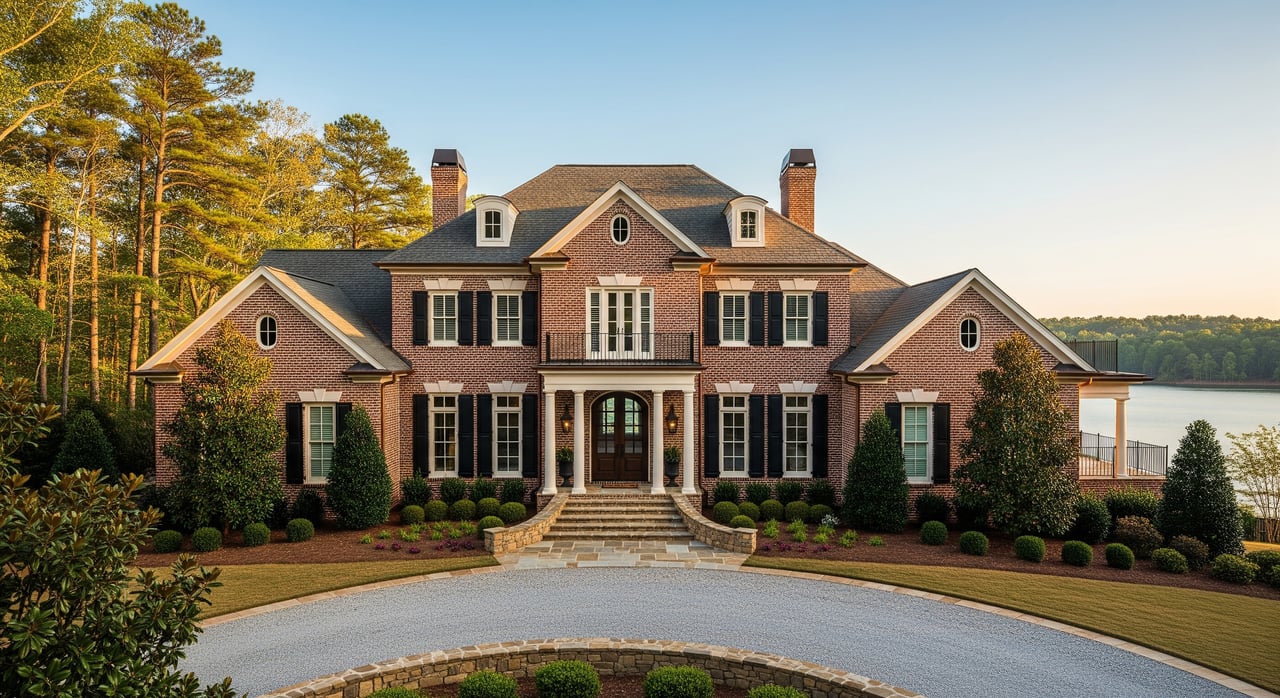
Lake Lanier premiums: Deeded docks, water views, and community boat access can materially increase value and alter seasonality. Weigh these features carefully in your CMA and place comps in the same lake micro‑area when possible.
Floodplain and insurance: Homes within FEMA flood zones may face higher insurance costs and a smaller buyer pool. Confirm status using the FEMA Flood Map Service Center and document any mitigation or elevation certificates.
HOA rules and fees: Subdivision amenities, rental restrictions, and special assessments influence buyer demand and net value. Capture fees and benefits clearly in your pricing model.
School zones and neighborhood context: School assignments shape buyer searches and should be matched in your comp set where possible. Keep language neutral and focus on objective boundaries and data.
Property taxes and assessments: Hall County reassessments and millage rates affect ownership costs and buyer budgets. Review current records with the county’s tax office and verify any recent changes with official property data.
New construction competition: Active new‑build communities can pull buyers with incentives and warranties. Adjust your pricing and concessions strategy for comparable size and finish.
For macro and statewide context that frames local trends, consult Georgia REALTORS and the NAR Research and Statistics hub.
Launch and adjust for best results
Your pricing strategy works best when paired with crisp execution.
Pre‑listing preparation
- Gather deed, surveys, warranties, utility history, and HOA docs.
- Address obvious deferred maintenance. Consider targeted, high‑ROI updates like paint, lighting, and hardware refreshes.
- Consider a pre‑listing inspection to surface issues and minimize repair negotiations later.
Listing launch
- Invest in top‑tier marketing. Professional photos, floor plans, and drone coverage add impact, especially for lake properties.
- Align final list price with your strategy. The first two weeks are critical, since most motivated buyers watch new listings closely.
Monitoring and adjustments
- Track showings, feedback, and new comps daily in week one and weekly after.
- If showings lag in 10–14 days, consider a strategic adjustment. A timely, meaningful change can recapture attention better than multiple small cuts later.
For buyers: decode seller pricing
If you are buying in Gainesville, use this process to judge whether a list price is fair.
- Pull recent closed comps in the same neighborhood or lake micro‑area.
- Compare condition, updates, and outdoor living features, not just square footage.
- Ask your agent to estimate an appraisal‑supported range to gauge risk.
- Factor total monthly cost, including taxes, HOA fees, and any flood insurance.
- Consider new‑construction alternatives and builder incentives when comparing value.
Quick reference: pricing in 10 steps
- Define goals and timeline. Decide if speed or maximum price is the priority.
- Build a CMA with closed comps from the last 30–90 days.
- Add active and pending competitors to see current buyer choices.
- Calculate months supply, DOM, and list‑to‑sale ratios for your price band.
- Document unique features: lake access, views, outdoor living, finished spaces.
- Confirm flood zone status and HOA fees or restrictions.
- Place your list price within the realistic range. Use search thresholds to your advantage.
- Launch with high‑quality marketing. Focus on the first two weeks.
- Monitor traffic and feedback closely. Adjust within 10–14 days if needed.
- Keep appraisal support in mind to protect your deal through closing.
Ready to price with confidence in Gainesville and Hall County? For a tailored CMA and a step‑by‑step plan that fits your home, timeline, and target buyer, connect with Amy Scott. Request your free home valuation and get a data‑driven strategy for your next move.
FAQs
How should Gainesville sellers choose the right list price?
- Start with a CMA using 30–90 day closed comps and current actives, adjust for features like lake access and condition, then place your list price where buyer search traffic is strongest.
Do Lake Lanier views or docks change pricing strategy?
- Yes. Water views, dock rights, and community access often add measurable premiums and can shift seasonality, so comps should come from the same lake micro‑area whenever possible.
How do flood zones in Hall County affect value?
- Flood‑zone properties can face higher insurance costs and a smaller buyer pool, which may reduce effective value; confirm status on FEMA maps and document mitigation.
Is it smart to price high to leave room to negotiate?
- Often no. Overpricing tends to reduce early showings and lead to longer days on market; pricing competitively and negotiating terms usually produces better outcomes.
Why are the first two weeks on market so important in Gainesville?
- Most active buyers watch new listings closely, so early activity drives offers and leverage; a strong launch and competitive price increase your chance of a favorable sale.