Wondering whether a Lake Lanier property should be your primary home or your second home? That question matters more than many buyers expect, because on Lake Lanier, your choice can affect financing, taxes, insurance planning, and even how you use the property day to day. If you want to buy with confidence, it helps to understand the rules before you make an offer. Let’s dive in.
Why the primary vs. second-home label matters
On Lake Lanier, this is not just a paperwork decision. The way a property is classified can shape your loan options, your tax treatment, and how you plan to use the home over time.
Lake Sidney Lanier is a U.S. Army Corps of Engineers reservoir with more than 690 miles of shoreline, 76 recreation areas, and millions of annual visitors each year. Because the shoreline is publicly managed, buying here often involves extra due diligence beyond a typical home purchase.
The Corps regulates shoreline use and requires approval before work on public property. Permits for private shoreline facilities are generally nontransferable, time-limited, and do not create real estate rights or exclusive rights on government property. If a home has an existing dock or other shoreline feature, a new owner may apply for a permit.
What counts as a primary home
For federal tax purposes, your main home is the place where you ordinarily live most of the time. You can only have one main home at a time, which is why this choice needs to match how you truly plan to use the property.
In Hall County, homestead exemptions are tied to a property you own and occupy as your permanent legal residence as of January 1. For many buyers, that makes a primary-home purchase the cleaner fit when the goal is full-time lake living.
Primary-residence financing is often more flexible than second-home financing. Many home purchases require at least 3% down, while second-home loan standards can be tighter, so buyers often find they have more room with a primary-home structure.
What counts as a second home
A second home is generally a property you choose to treat as your second home rather than your main residence. This setup usually makes the most sense when you already live elsewhere and want a Lake Lanier home for seasonal or occasional personal use.
For conventional financing, a second home generally needs to be a one-unit property that is suitable for year-round occupancy. It also needs to be occupied by you for part of the year, kept under your exclusive control, and not treated as a rental property or timeshare.
That last point is important on Lake Lanier. If you plan to buy a place mainly for personal enjoyment, a second-home classification may work well. If you expect rental income to be part of the plan, you should verify the lender’s rules before closing.
Tax differences to know
The tax side can be meaningful, especially if you may sell later or rent the property at times. A primary home and a second home are not always treated the same.
Primary-home sale exclusion
One of the biggest tax benefits of a primary residence is the main-home sale exclusion. If you meet the ownership and use tests, you may be able to exclude up to $250,000 of gain, or up to $500,000 for a married couple filing jointly.
That can make a major difference if your Lake Lanier home becomes your full-time residence and appreciates over time. If long-term financial planning is part of your decision, this is one reason many buyers look closely at primary-residence status.
Second-home use and rental rules
A second home can still qualify as a home for mortgage-interest purposes, even if you do not use it during the year, as long as it is not held out for rent. But if you rent it part of the year, the tax treatment can change.
Under IRS guidance, you generally must use the property as a home for more than 14 days or more than 10% of the rental days, whichever is longer, or it may be treated as rental property for tax purposes. That is why it is so important to decide early whether your Lake Lanier property is truly for personal use, occasional rental, or something closer to an investment plan.
Lake Lanier factors that can change your decision
On Lake Lanier, your occupancy choice is only part of the picture. The lake’s public shoreline management adds another layer that buyers should factor in from the start.
Shoreline permits and docks
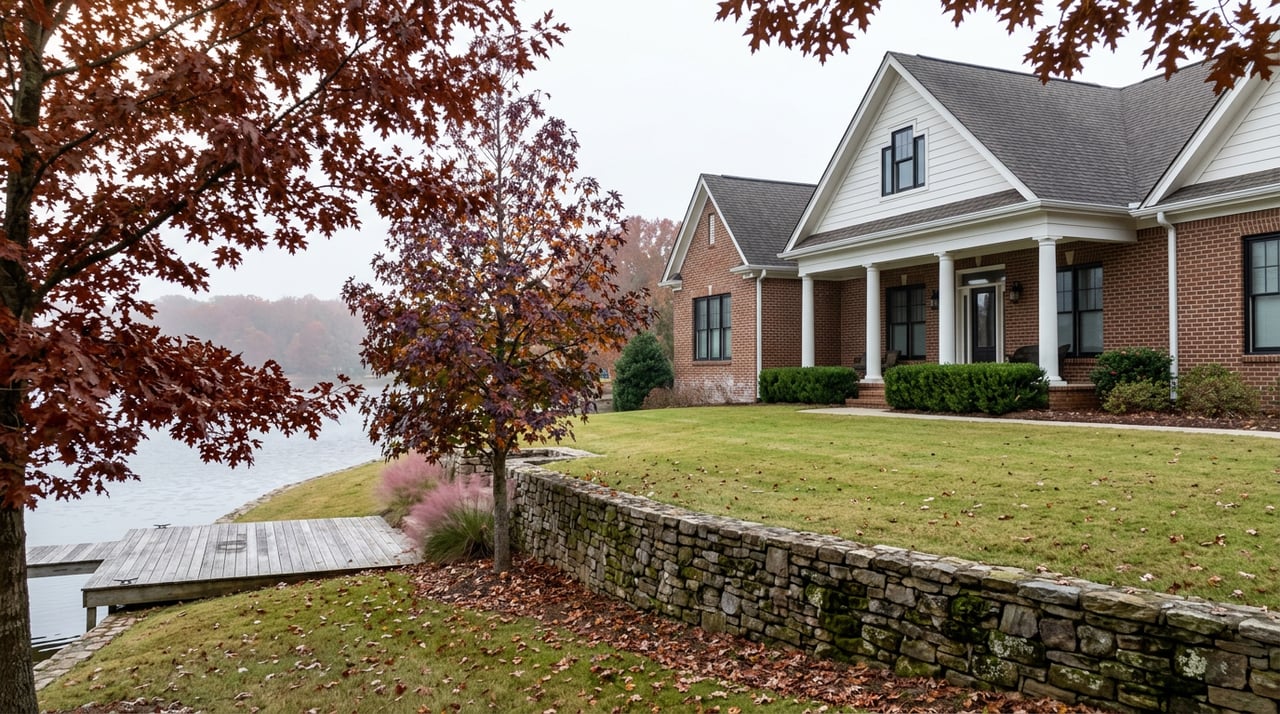
If a property includes a dock, boathouse, riprap, or other shoreline improvements, confirm the permit status early. The Corps requires permits before work on public property, and existing permits do not automatically transfer with the sale.
In practical terms, that means you should not assume every visible shoreline feature comes with permanent rights. A careful review can help you understand what exists, what is permitted, and what steps a new owner may need to take after closing.
Flood insurance and risk review
Insurance deserves extra attention with lakefront property. Standard homeowners insurance typically does not cover flood damage, and a new owner may pay a different flood premium than the current owner because pricing is risk-based.
That makes flood-zone review part of smart budgeting, not a last-minute detail. Whether you are buying a primary home or a second home, you will want to understand insurance costs as part of your full monthly and annual ownership picture.
Septic-served properties
Some lake-adjacent and rural parcels may be served by septic systems. In Hall County, Environmental Health requires review before building permits on septic-served properties, and the county handles septic installation inspections.
If the home or lot you are considering is not on sewer, that should be part of your due diligence. This matters whether you are buying a year-round residence or a seasonal property.
A busy recreation setting
Lake Lanier is a high-use recreation lake with millions of annual visitors, many recreation areas, and multiple marinas. For some buyers, that energy is part of the appeal. For others, it may be more public activity than expected.
If you picture quiet waterfront living, it is worth comparing that expectation with the reality of a popular public lake. The right fit depends on how you want to live on the water.
When a primary home makes more sense
A primary residence is often the better fit when you plan to live on Lake Lanier most of the year and want the property to function as your permanent legal residence. It can also make financing more straightforward for some buyers.
A primary-home path may make sense if you want to:
- Live in the home most of the time
- Establish permanent residence in Hall County
- Pursue homestead treatment if eligible
- Keep your purchase structure aligned with full-time occupancy
- Position yourself for possible main-home sale exclusion later, if you qualify
For relocating buyers or those making a lifestyle move to North Georgia, this option is often the most natural fit.
When a second home makes more sense
A second home is often the cleaner fit when your main residence is elsewhere and the Lake Lanier property is mainly for personal use during part of the year. It can work well for buyers focused on weekend escapes, summer use, or a future retirement plan.
A second-home path may make sense if you want to:
- Keep another property as your main residence
- Use the Lake Lanier home seasonally
- Maintain the property primarily for personal enjoyment
- Meet lender occupancy standards for second-home financing
- Avoid blurring the line between personal use and rental use
The more your plan involves personal use rather than income generation, the more likely this classification fits cleanly.
Five checks before you make an offer
Before you commit to a Lake Lanier property, take time to confirm the issues that matter most. These details can help you avoid surprises and choose the right occupancy approach from the beginning.
Lender occupancy classification Confirm whether the home will be financed as a primary residence or second home.
Shoreline permit history Review any dock, boathouse, riprap, or shoreline permit status.
Flood and insurance exposure Understand flood-zone considerations and likely insurance costs.
Septic or well status Check site systems and any county review requirements.
Future rental plans Be clear about whether you will ever rent the property, even occasionally.
How to choose with confidence
The right answer depends on how you will really use the home, not just how the listing looks on a sunny weekend. If you want full-time lake living and a simpler path for residency-related benefits, a primary home may be the better choice. If you want a personal retreat while keeping your main residence elsewhere, a second home may fit better.
On Lake Lanier, details matter. Shoreline permits, insurance exposure, site systems, and occupancy rules can all affect whether a property supports your goals. That is why a thoughtful, local strategy before you buy can save you time, money, and stress later.
If you are weighing a full-time move against a seasonal lake retreat, working with a local advisor can help you compare properties through both a lifestyle and due-diligence lens. For personalized guidance on Lake Lanier and Hall County homes, connect with Amy Scott.
FAQs
What is the difference between a primary home and a second home on Lake Lanier?
- A primary home is the place you ordinarily live most of the time, while a second home is usually a property you use part of the year for personal enjoyment while your main residence is elsewhere.
Can a Lake Lanier second home also be a rental property?
- It can affect both financing and tax treatment if you rent the property, so you should confirm lender rules and intended use before closing.
Do dock permits transfer automatically with a Lake Lanier home sale?
- No. The U.S. Army Corps of Engineers states that shoreline permits are generally nontransferable, and new owners of existing facilities may apply for a permit.
Does standard homeowners insurance cover flood damage on Lake Lanier homes?
- No. Standard homeowners insurance typically does not cover flood damage, so flood review should be part of your planning.
Why should septic status matter when buying near Lake Lanier?
- Some lake-adjacent properties are served by septic systems, and Hall County requires review before building permits on septic-served properties.
Is a primary residence usually easier to finance than a second home on Lake Lanier?
- Often, yes. Primary-residence financing is usually more flexible, while second-home financing can come with stricter occupancy and underwriting standards.